Course library

Six fundamentals, taught around real household situations

Every course below focuses on a single practical skill. Work through them in order, or jump straight to the one that matches whatever's currently confusing about your money.

Person entering daily expenses into a paper ledger next to a smartphone
Beginner · Self-paced

Expense Tracking Fundamentals

When you check your account and the balance is lower than you expected, this course is where to start. Lessons cover setting up categories that match how your household actually spends, spotting recurring charges that quietly add up, and choosing a tracking method you'll keep using past the first week.

  • Setting up spending categories that fit your life
  • Reviewing a week of transactions line by line
  • Spotting subscriptions and recurring charges
  • Building a weekly review habit
Glass jar labeled emergency fund filled with folded cash sitting on a kitchen counter
Beginner · Self-paced

Building Your Emergency Fund

A car repair, a dental bill, a week without shifts. This course walks through a step-by-step approach to setting aside money before those moments happen, starting with small, realistic amounts rather than an intimidating end goal.

  • Setting a starting savings target that feels achievable
  • Separating savings from everyday spending
  • Handling months where saving isn't possible
  • Deciding when to use the fund versus wait
Educator explaining a bank account statement to an adult learner at a desk
Foundations · Self-paced

Understanding Basic Banking Concepts

Checking and savings accounts, holds on deposits, why a transaction shows as pending for two days. This course explains the mechanics behind accounts most households already use, in plain language and without recommending any specific bank or product.

  • Checking versus savings accounts explained
  • How holds and pending transactions work
  • Routing numbers, account numbers and transfers
  • Understanding common account fees
Family reviewing a monthly household budget together at a dining table
Beginner · Self-paced

Household Budgeting Basics

Built for anyone sharing expenses with a partner, roommate or family. This course covers setting up a simple monthly plan, splitting shared costs fairly, and adjusting the plan when income or bills shift unexpectedly.

  • Listing fixed versus variable household costs
  • Splitting shared bills between household members
  • Adjusting a budget after a change in income
  • Setting monthly check-in habits
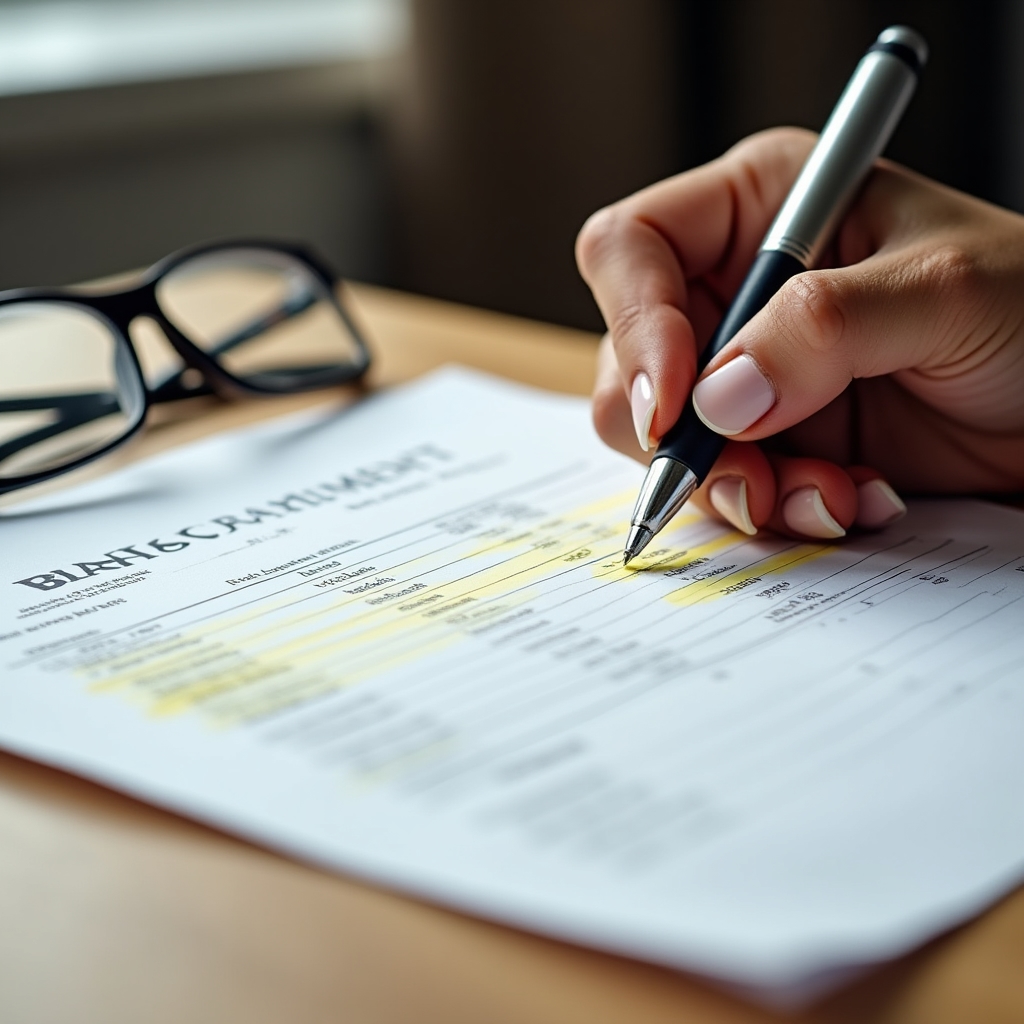
Close-up of a printed bank statement being reviewed with a highlighter
Foundations · Self-paced

Reading Your Bank Statement

Statements are full of abbreviations and small charges that are easy to miss. This course teaches how to read a statement line by line, identify unfamiliar charges, and know what questions to ask your bank if something looks off.

  • Understanding common statement abbreviations
  • Identifying unfamiliar or duplicate charges
  • Reconciling a statement against your own records
  • Knowing what to ask your bank about a charge
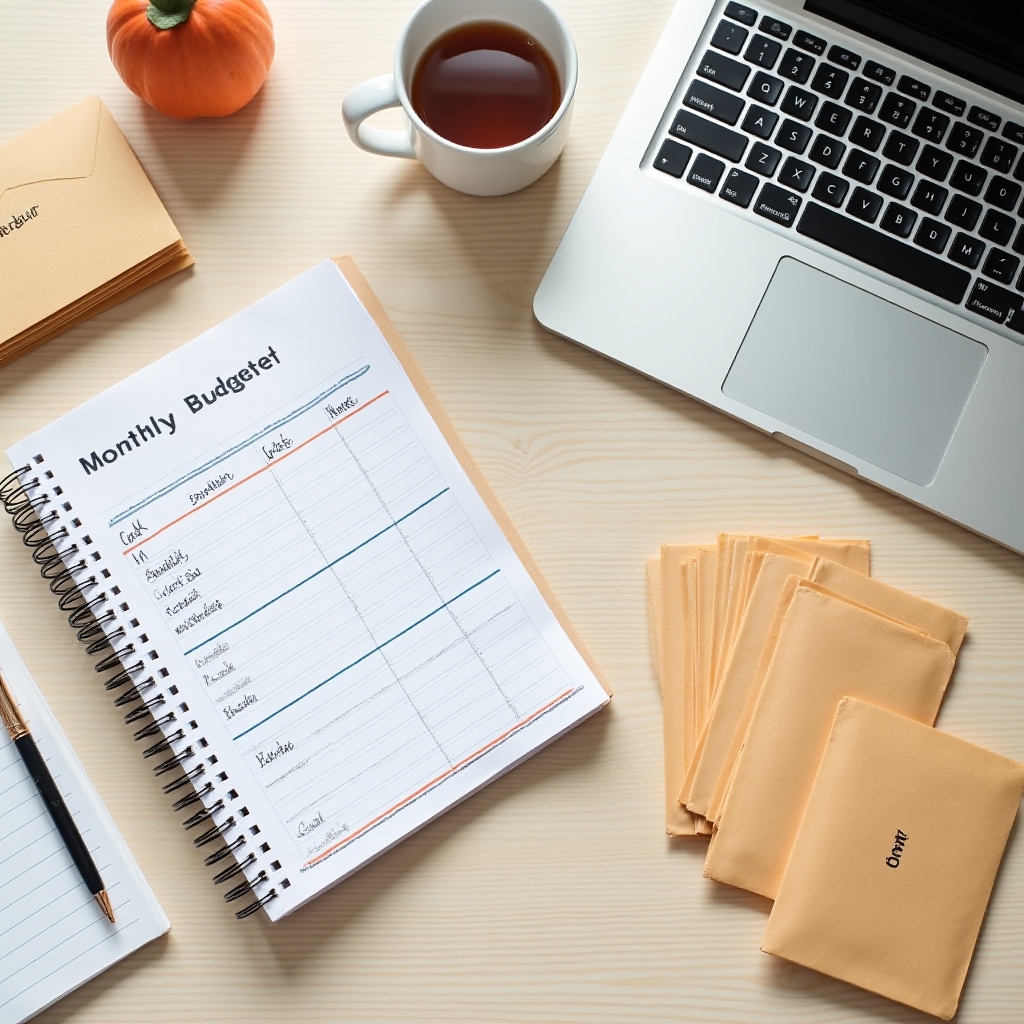
Desk with a budgeting notebook, envelopes and a laptop set up for a monthly budget review
Beginner · Self-paced

Setting Up a Simple Budget System

For anyone who has tried a budgeting app for two weeks and then quietly stopped. This course focuses on choosing a system, whether digital or on paper, that matches your habits, and setting up a monthly routine that's realistic to keep.

  • Comparing paper, spreadsheet and app-based systems
  • Setting a monthly budgeting routine
  • Adjusting categories after the first month
  • Keeping the system going past month three

All courses on this platform are educational and general in nature. They explain common budgeting and banking concepts through everyday scenarios and do not provide personalized financial advice, investment guidance, or licensed financial consultancy.

Have a question about a specific course?

Reach out and we'll help point you to the right starting lesson.

Contact Us